Struggling with Heel Pain When You Walk? Orthotics the Answer?
Understand the Cause of Heel Pain — And Fix It Properly
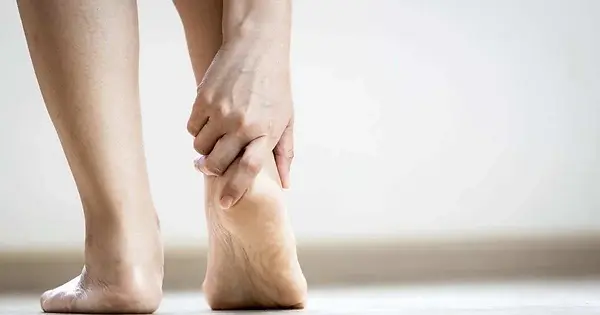
If every step is uncomfortable, or you’re dreading getting out of bed in the morning because of heel pain, you’re not alone.
Heel pain is one of the most common complaints we see at Active Therapy Clinic — but the key thing to understand is this:
Pain is a sign something isn’t working properly — not something you should push through.
What Does Heel Pain Feel Like?
People describe heel pain in different ways, including:
-
Sharp pain when taking your first steps in the morning
-
A deep ache under the heel after walking or standing
-
Pain that eases as you move, then returns later
-
Tightness or pulling through the arch of the foot
In many cases, this points to a condition called plantar fasciitis — but it’s not the only possible cause.
Common Causes of Heel Pain
Heel pain can develop for a number of reasons. Getting the diagnosis right is essential.
1. Plantar Fasciitis
The most common cause — irritation of the tissue supporting your foot arch.
2. Poor Foot Mechanics
Flat feet, high arches, or abnormal movement patterns can overload the heel.
3. Tight Calves & Limited Ankle Mobility
Restricted movement increases strain on the foot.
4. Sudden Changes in Activity
Starting running, increasing steps, or long periods on your feet.
5. Heel Spur
A heel spur is a small bony growth on the heel bone, often seen on scans.
Important: heel spurs themselves don’t always cause pain — they are commonly associated with plantar fasciitis and reflect long-term stress on the tissue rather than being the main problem.
6. Footwear Issues
Unsupportive or worn-out shoes can significantly increase load on the heel.
Why Your Heel Pain Isn’t Going Away
Many people try:
-
Rest
-
Stretching occasionally
-
Buying generic insoles
But the pain keeps coming back.
That’s because heel pain is usually a load and mechanics problem, not just inflammation.
Unless you address:
-
How your foot is moving
-
How much stress it’s under
-
What support it has
…it tends to persist.
What Actually Helps Heel Pain?
To get long-term relief, treatment needs to be targeted and progressive.
✔ Improve Mobility
Restoring ankle flexibility reduces strain on the heel.
✔ Build Strength
Stronger calf and foot muscles help absorb load better.
✔ Manage Load
Adjusting activity levels prevents repeated irritation.
✔ Support the Foot Properly
This is where orthotics can make a significant difference.
How Orthotics Can Reduce Heel Pain
Orthotics are not just “cushioning” — they’re designed to change how your foot loads and moves.
They help by:
-
Supporting your arch and reducing strain
-
Improving alignment through the foot and ankle
-
Redistributing pressure away from the painful heel
-
Allowing irritated tissue to settle
For many patients, this creates a window of relief that allows proper rehab to work.
Exercises That Can Help Heel Pain
Simple exercises can make a big difference when done consistently:
1. Calf Raises
Build strength and load tolerance.
2. Plantar Fascia Stretch
Reduces stiffness, especially in the morning.
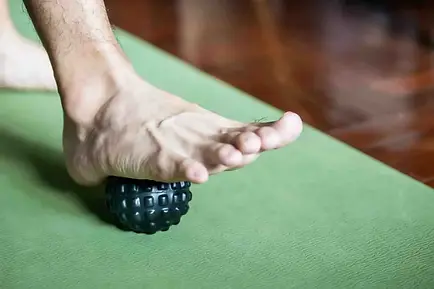
3. Foot Rolling (Ball or Bottle)
Helps reduce sensitivity and improve tissue mobility.
4. Balance Work
Improves foot control and stability.
When Should You Get Help?
You shouldn’t ignore heel pain if:
-
It’s lasting more than a few weeks
-
It keeps coming back
-
It’s affecting your walking, work, or exercise
-
You’re relying on rest but not improving
Early treatment = faster recovery.
Our Approach at Active Therapy Clinic
We take a root-cause approach, not just symptom relief.
Your assessment includes:
-
Movement and walking analysis
-
Foot mechanics assessment
-
Strength and mobility testing
-
Footwear advice
From there, we build a plan that may include:
-
Targeted rehab exercises
-
Hands-on treatment
-
Custom orthotics if needed
Take the First Step Towards Pain-Free Walking
Heel pain doesn’t have to be something you live with.
With the right approach, you can:
-
Walk comfortably again
-
Stay active without flare-ups
-
Prevent the problem returning
Book your assessment today and start moving without pain.